Where are they now? Three years after On Purpose with Sergio Ung

Written by Sergio Ung
Published: 01 Oct 2026
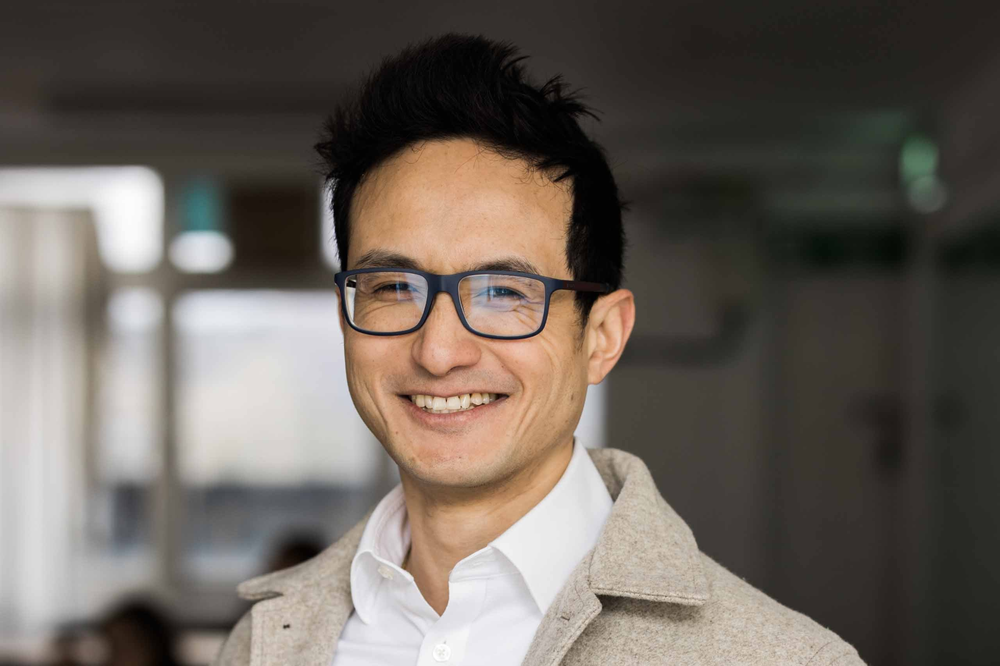
Can you tell us about your background and your career prior to On Purpose?
I trained as a lawyer at an international law firm, specialising in litigation, before moving into a range of in-house legal roles across both not-for-profit and private organisations.
Immediately before joining On Purpose, I was working at the UK Ministry of Justice on a contract within the prisons team. I actually applied for both the Ministry of Justice role and the Associate Programme at the same time, and ended up doing four months there before starting On Purpose.
Why did you join the On Purpose Associate Programme?
I wanted to work on themes and issues I genuinely cared about and that had a broader benefit to society. As we were coming out of the Covid-19 pandemic, it just felt like the right time for a change in direction.
The structure of the programme really appealed to me. The two placements offered a chance to explore careers in the impact space, while the training, coaching and mentoring provided a strong foundation for making that transition. I was also drawn to the emphasis on the cohort and community, which has ended up being one of the biggest highlights. Three years on, many of those cohort (and wider On Purpose) friendships are still a huge part of my life.
It's been over three years since you completed the Associate Programme. What are you doing now?
I'm now part of the Investment Team at Guy's & St Thomas' Foundation, where I joined during my second placement and have stayed for the past years.
The Foundation manages a £1 billion endowment, with a dual objective of generating financial returns while ensuring our investments are aligned with our values.
Can you tell us more about your placements?
My first placement was at King's College London, in the ‘widening participation’ team which focused on making the student experience more inclusive. One of my main projects was designing an induction programme for students from care-experienced, estranged and other underrepresented backgrounds, helping them build connections and access the support available throughout their studies.
My second placement was at Guy's & St Thomas' Foundation, where I split my time between two teams. On the one hand I focused on grant funding projects that improve patient care and staff wellbeing across our local NHS Trust. As part of the other team, focused on impact investing, I identified investment opportunities that aligned with the Foundation's health mission. I enjoyed the role so much that I stayed on after the programme.
What’s the most important thing you learnt during your year as an Associate?
The greatest shift for me was learning to see the world differently and introducing me to new ways of thinking about how to tackle them.
The Friday training sessions, particularly around systems thinking and design thinking, encouraged me to question assumptions and think more critically about who systems are designed for - and who they might unintentionally exclude.
Which areas of support did you find most valuable and why?
The biggest source of support was definitely my cohort. Everyone brought such different professional and lived experiences, and it was incredibly valuable to have a group of people to talk through workplace challenges with, exchange ideas, and make sense of new concepts from the Friday training sessions. Those relationships have lasted well beyond the programme, and I still turn to my cohort today.
My mentor was also a really valuable source of support, particularly while I was navigating my placements and thinking through different situations along the way.
How did you approach finding a job after the programme?
During my second placement at Guy's & St Thomas' Foundation, I spoke to my manager about whether there might be an opportunity to stay on after the programme. As it happened, a vacancy opened up in the team at just the right time, so I was able to move into a temporary role before that became permanent in time.
It felt like a natural next step, and because the role was confirmed before the programme ended, I didn't need to undertake a wider job search.
What do you miss about your old career, and what don’t you miss?
I do miss some of the pro bono work I did as a lawyer. I worked on some fascinating and significant matters, and that was always very rewarding.
What I don't miss are the long, unpredictable hours or working on matters that weren't always closely aligned with my own values. Having work that feels connected to what I care about has made a real difference.
What advice would you give to others in a similar situation?
Spend some time understanding why you're considering the Associate Programme. For some people it's about changing careers, while for others it's about making a broader life change. The programme can support both, but it's helpful to be clear about what you're hoping to get from it.
It's also worth remembering that purpose-driven organisations are still workplaces. They have challenges like any other organisation. But if you're looking for work that's more aligned with your values, the programme is a fantastic way to explore what that could look like.
Written by Sergio Ung
Published: 01 Oct 2026